






Why Kestrel?
| Compare Kestrel with diesel/electric and standard bus | |||||||||||
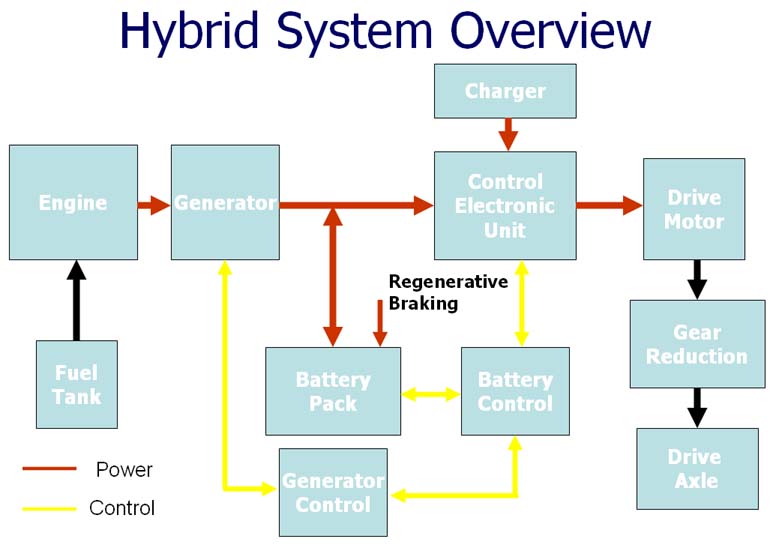
| Diesel/Electric architecture - Generator and drive motor are relatively costly, and each electronic controller has to handle high currents (500 Amps at 300 volts DC) Battery life is very dependent on usage. |
 |
||||||||||
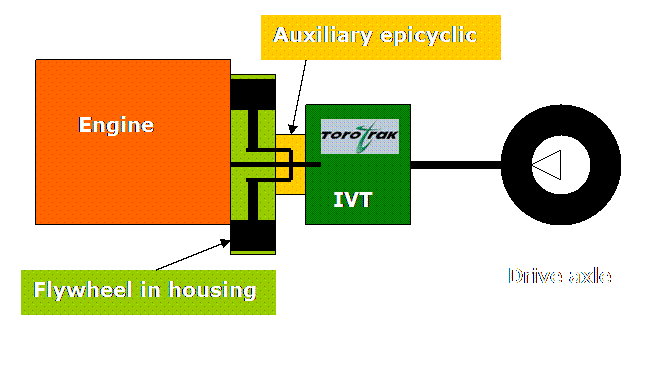
| Kestrel architecture - much simpler and more conventional. Kestrel can use a smaller engine because the flywheel takes the main duty cycle. The engine has to be rated the same as standard for when the flywheel is exhausted, but can be small displacement with higher boost. |
|
||||||||||
|
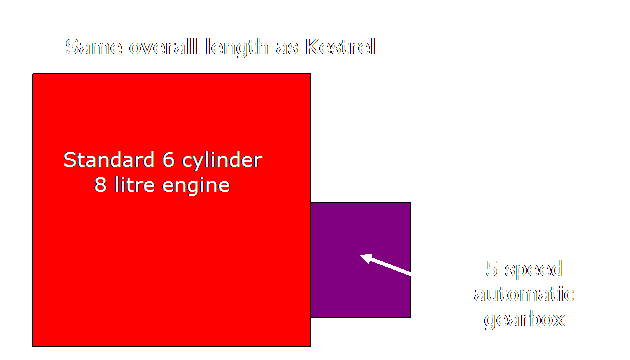
Standard bus - Super reliable, well tried, and well understood - massive infrastructure designed to meet bus operators' and passenger needs |
 |
||||||||||
|
Cost comparison with conventional bus driveline (Purchase cost) at 1,000 - 2,000 units p.a. |
|||||||||||
|
Bus type |
Engine (£) |
Gearbox (£) |
Flywheel (£) |
Kestrel epicyclic (£) |
Total (£) |
Extra cost (£) | |||||
| 1. Conventional 17 tonne 88 passenger |
8,500 |
8,000 | - | - | 16,500 | - | |||||
| 2. As above but with Kestrel/IVT using laminated steel flywheel | 6,000 | 9,100 | 1,000 | 2,500 | 18,600 | 2,100 | |||||
| 3. As above but with lighter GRP flywheel | 6,000 | 9,100 | 5,000 | 2,500 | 22,600 | 6,100 | |||||
| 4. As 2, but with (say) a 4.4 litre Range Rover gasoline engine | 3,000 | 9,100 | 1,000 | 2,500 | 15,600 | - 900 | |||||
| 5. Diesel/electric hybrid | 7,000 | - | - | - | 71,500 | 55,000 | |||||